
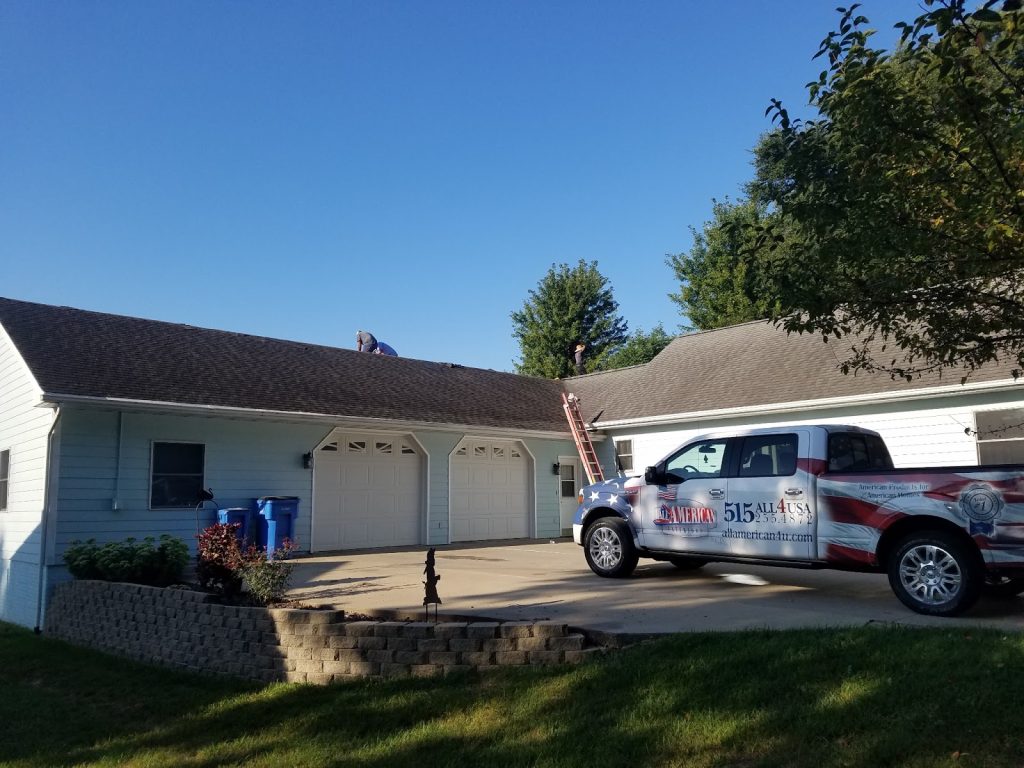
A fall roof inspection in Iowa can identify damaged shingles, worn flashing, leaks and drainage problems before snow, ice and freezing temperatures arrive. Fall is a practical time to check the roof because summer storms may have caused damage that has not yet produced an obvious leak.
All American Exteriors provides free roof inspections for homeowners, businesses and agricultural property owners throughout Indianola, Des Moines and Central Iowa. Our experienced in-house crews inspect the complete roofing system, explain what they find and help property owners determine whether maintenance, repair or replacement is appropriate.
Do You Need a Fall Roof Inspection in Iowa?
You should consider a fall roof inspection in Iowa if your property experienced hail, strong wind, falling branches or heavy rain during the spring and summer. An inspection is also worthwhile if the roof is aging, has required previous repairs or shows visible signs of wear.
Roof damage is not always visible from the ground. A shingle may be loosened without completely detaching, flashing may pull away from a vulnerable area or a small opening may allow moisture to enter beneath the roofing materials. These problems can become more difficult to address after winter weather begins.
A professional roof inspection provides a closer look at the condition of the shingles, flashing, roof penetrations, gutters and other components that help protect the building.
What Should Be Checked During a Fall Roof Inspection?
A fall roof inspection should evaluate more than the visible surface of the shingles. Roof performance depends on several connected components that move water away from the building and protect vulnerable areas from moisture.
- Missing, cracked, curled or lifted shingles
- Shingle granules collecting in the gutters
- Hail marks or other impact damage
- Loose or damaged flashing
- Openings around vents, chimneys and roof intersections
- Soft areas or damaged roof decking
- Clogged or damaged gutters and downspouts
- Water stains on ceilings or interior walls
- Damaged soffit, fascia or siding near the roofline
- Debris collecting in roof valleys
Finding one of these conditions does not automatically mean the entire roof needs to be replaced. Isolated damage may be repairable when the surrounding roofing system remains in good condition. The inspection should determine the extent of the problem before a recommendation is made.
Why Is Fall a Good Time to Inspect an Iowa Roof?
Fall provides an opportunity to find roofing problems after the severe weather commonly experienced during spring and summer. It also gives property owners time to address vulnerable areas before freezing temperatures, snow accumulation and melting snow place additional stress on the roofing system.
Temperature changes can cause roofing materials to expand and contract. Moisture that enters an existing opening may also freeze and expand, which can make a small problem worse. Repairing loose materials or damaged flashing before winter can help reduce the risk of additional water entry.
Fall is also a useful time to confirm that gutters and downspouts can carry water away from the roof and foundation. Leaves, twigs and roofing debris can restrict drainage. When water cannot move through the gutter system properly, it may overflow near the roof edge or collect around the property.
Can Summer Hail Damage Appear Later?
Yes. Some hail damage may not cause an immediate interior leak. An impact can damage shingles or loosen roofing materials while the roof continues to appear functional from the ground. Water may begin entering later as the affected area experiences more rain, wind and temperature changes.
If your property was affected by a summer storm, a fall inspection can document visible damage before winter. All American Exteriors provides storm damage roof repair, damage documentation and insurance claim assistance when needed. Insurance providers make the final decision about coverage, but clear inspection findings and photographs can help property owners maintain an organized record of the damage.
Homeowners concerned about impact damage can also review whether Class 4 impact-resistant shingles may be appropriate when replacement is needed. The right product depends on the property, budget and roofing goals.
What Are the Warning Signs of a Roof Leak?
Water dripping from the ceiling is an obvious warning sign, but roof leaks can produce less noticeable symptoms. Moisture may travel along decking, rafters or other materials before appearing inside the building.
- Brown or yellow stains on ceilings
- Peeling paint near exterior walls
- Damp insulation in the attic
- Musty odors in upper rooms
- Darkened roof decking
- Water appearing during heavy rain
- Moisture entering during snowmelt
An active leak should not be ignored until spring. Water can damage insulation, drywall, ceilings and roof decking while increasing the size and cost of the eventual repair. If water is entering the property, contact All American Exteriors for emergency roof repair services.
Does Fall Roof Damage Require Repair or Replacement?
The decision between roof repair and replacement depends on the roof’s age, overall condition and extent of the damage. A limited area with missing shingles or damaged flashing may only require repair. Replacement may be more practical when deterioration affects multiple areas, leaks repeatedly return or the roofing system is approaching the end of its service life.
All American Exteriors begins with an inspection rather than assuming every roofing problem requires replacement. If a repair can reasonably address the problem, our team can explain what needs to be corrected. If replacement is the better long-term option, we can review materials, installation requirements and available warranty protection.
Qualifying roofing systems installed by All American Exteriors may include 50-year manufacturer warranty options from Atlas Roofing and GAF. Available coverage depends on the selected roofing system and applicable manufacturer requirements.
Can Roof Repairs Be Completed During the Fall?
Yes. Many roof repairs and replacements can be completed during the fall when weather conditions are dry and the selected materials can be installed according to manufacturer instructions. The exact schedule depends on the forecast, roof design, type of damage and roofing products being used.
Scheduling an inspection early gives the contractor time to evaluate the roof and plan the appropriate work. Waiting until snow or ice covers the damaged area can make inspection, repair and installation more difficult.
Should Gutters Be Inspected Before Winter?
Yes. Gutters and downspouts should be checked before winter because they help move rain and melting snow away from the roof edge, siding and foundation. Leaves and other debris can restrict this flow, while loose gutters may pull away from the fascia.
An inspection should look for clogs, loose fasteners, leaking seams, improper drainage and damaged sections. If the existing system is worn or damaged, All American Exteriors provides seamless gutter installation services for Central Iowa properties.
Why Choose All American Exteriors for a Fall Roof Inspection?
All American Exteriors has more than 30 years of exterior remodeling experience and serves property owners throughout Indianola, Des Moines and Central Iowa. Our company uses experienced in-house crews rather than handing projects off to subcontractors, providing greater control over workmanship, communication and jobsite care.
- Free roof inspections and estimates
- More than 30 years of exterior remodeling experience
- Experienced in-house crews with no subcontractors
- Licensed and fully insured service
- American-made exterior products
- Atlas Roofing and GAF roofing systems
- Roof repair and complete replacement
- Storm damage documentation and insurance claim assistance
- Emergency exterior services
- Roofing, siding, windows, doors, gutters and decks
Because All American Exteriors provides complete Iowa roofing services and exterior remodeling, our team can also inspect surrounding siding, gutters, windows, soffit and fascia when storm damage may extend beyond the roof.
Schedule a Free Fall Roof Inspection in Iowa
A fall roof inspection in Iowa can help you understand the condition of your roof before winter weather arrives. If summer storms, visible wear or signs of a leak have raised concerns, All American Exteriors can inspect the property and explain the available options.
Request a free roof inspection or estimate, or call (515) 255-4872 to speak with All American Exteriors.
Do I need a fall roof inspection every year?
An annual fall inspection can be useful for an aging roof or a property that experienced severe weather. You should also schedule an inspection whenever you notice missing shingles, water stains, loose flashing or other signs of possible damage.
How soon should my roof be inspected after a hailstorm?
The roof should be inspected after it is safe to access the property. Hail damage may not produce an immediate leak, so an inspection can help document the roof’s condition and identify affected areas.
Does a damaged shingle mean I need a new roof?
No. An isolated damaged shingle may be repairable if the surrounding roof remains in good condition. Replacement may be recommended when damage or deterioration affects a large portion of the roofing system.
Should I clean my gutters before a roof inspection?
You do not need to clean the gutters before a professional inspection. Debris, shingle granules and drainage patterns may provide useful information about the condition of the roof and gutter system.
Does All American Exteriors provide free fall roof inspections?
Yes. All American Exteriors provides free roof inspections and estimates for homeowners, businesses and agricultural property owners in Indianola, Des Moines and surrounding Central Iowa communities.